Every year, more than 300 children in Europe are diagnosed with Diffuse Intrinsic Pontine Glioma (DIPG), one of the most aggressive paediatric brain tumours and a disease for which treatment options remain extremely limited.
A new Horizon Europe Cancer Mission project, EPICA-DIPG, has launched to evaluate a novel immunotherapy strategy for children and adolescents with the disease. Alongside a multinational Phase I clinical trial, the project will investigate how the treatment can be monitored and delivered across specialist centres in Europe.
Teamit joins this international consortium to lead the project’s communication and dissemination strategy and ensure meaningful engagement and responsible outreach to relevant audiences.
A collaborative effort to tackle an urgent unmet need
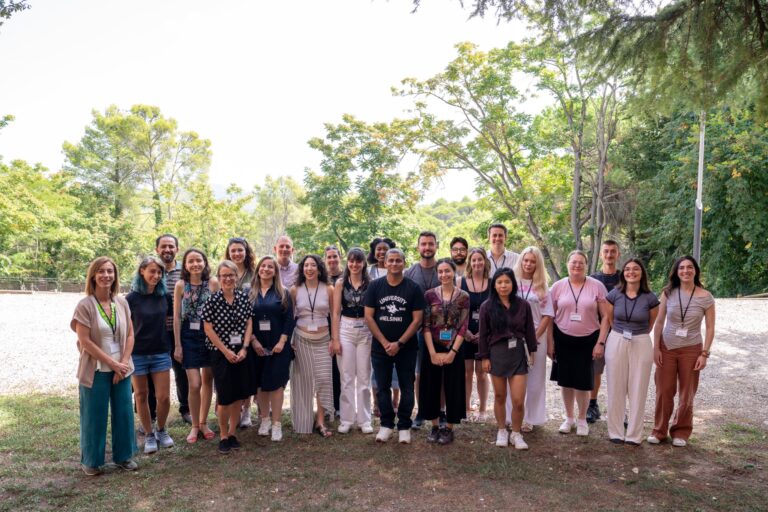
Coordinated by the Institut de Recerca Sant Joan de Déu Barcelona, EPICA-DIPG brings together 11 partners from Spain, Italy and the Netherlands.
At the centre of the five-year project is a Phase I clinical trial. As an early-stage study, its main purpose is to assess the safety and feasibility of the research-stage immunotherapy approach. It will also generate clinical and biological evidence that may inform future research into DIPG.
The project goes beyond the treatment strategy itself. EPICA-DIPG will develop and test a companion diagnostic approach to monitor immune and treatment responses during the trial. It will also assess a model in which advanced therapies are manufactured at specialised academic facilities and delivered to participating hospitals across borders.
Bringing these elements together will allow researchers to examine the treatment pathway as a whole: how a complex therapy is produced, delivered, administered and monitored across different clinical centres. This could provide useful evidence for designing future academic-led advanced therapy research in rare paediatric cancers.
Keeping patients and families at the centre
Patient organisations from all three participating countries will contribute to the review of the clinical protocol, the development of patient-facing materials and other project activities. Their involvement will help the consortium consider the questions and practical realities faced by children, families and carers throughout the research process.
Communication also has an important role in a project of this kind. Early-phase research must be explained clearly, with careful distinctions between what is being tested, what the study may help researchers understand and what cannot yet be concluded.
Teamit will work with consortium partners to communicate EPICA-DIPG’s activities and findings, facilitate engagement across its different audiences and support the responsible dissemination of the evidence it generates. This collaborative approach will help connect specialist knowledge across countries, institutions and communities as the project progresses.