Training and capacity building are central to ensuring that promising research can ultimately translate into benefits for patients. Within REMEDi4ALL, a project in which Teamit has contributed in from proposal preparation to implementation, one initiative that has consistently focused on this challenge is the Hackathon, an intensive learning experience designed to expose early-career researchers to the realities of medicines repurposing.
Since its launch in 2024, the REMEDi4ALL Hackathon has brought together researchers from across Europe to work on real-world drug repurposing challenges for rare diseases. Over three editions, the format has evolved while its objective has remained the same: helping participants understand the scientific, regulatory, patient-centred and development considerations that shape the repurposing journey from research idea to patient impact.
For Teamit, the Hackathon has been a particularly rewarding activity to support. As leaders of this REMEDi4ALL training activity, our role has focused on creating learning opportunities that complement traditional academic training and help researchers develop a broader understanding of the medicines repurposing landscape.
Inaugural edition
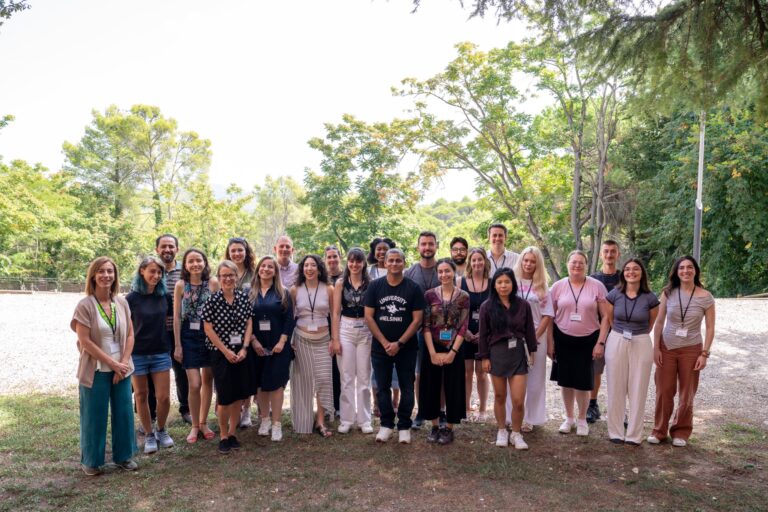
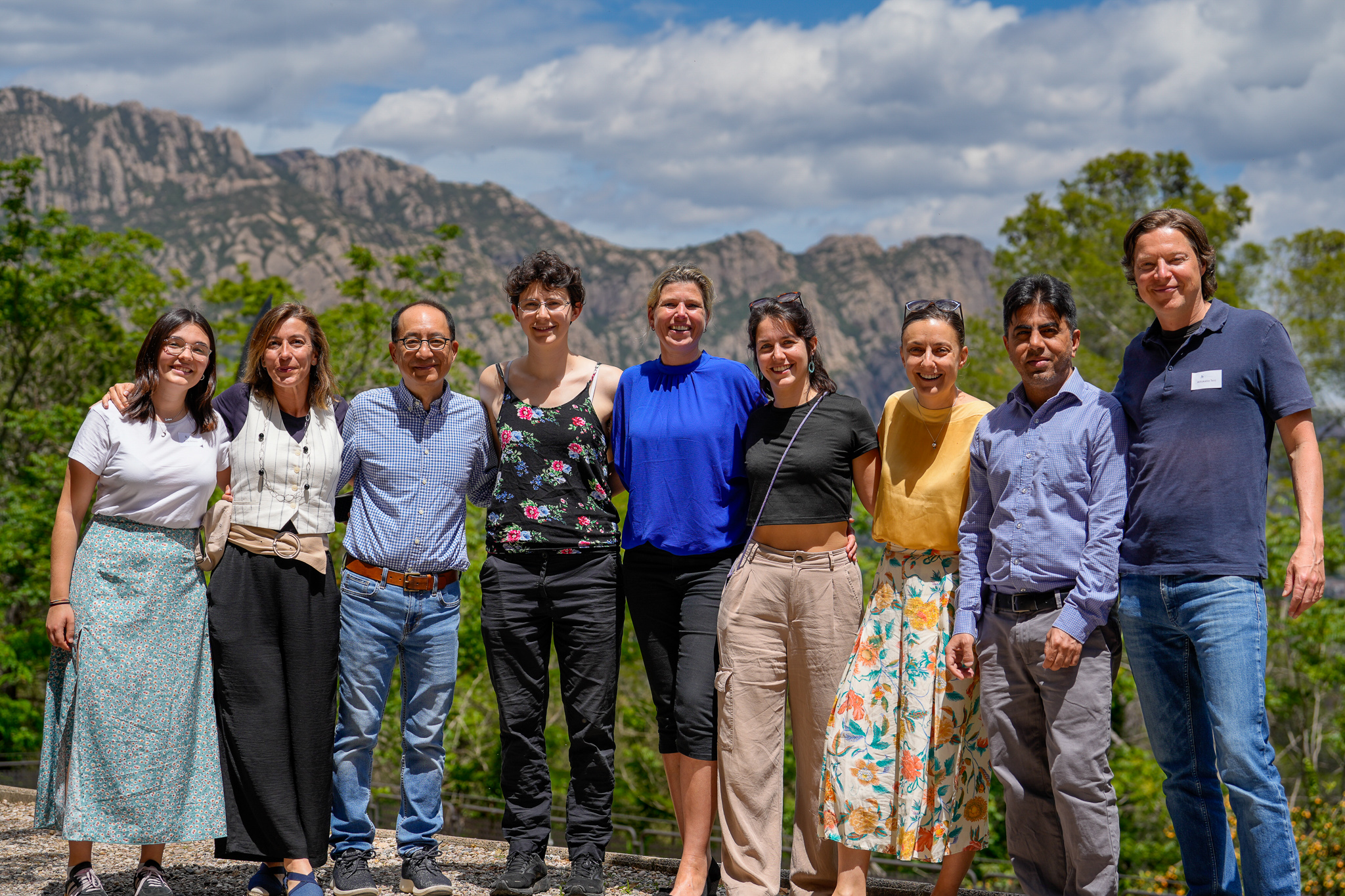
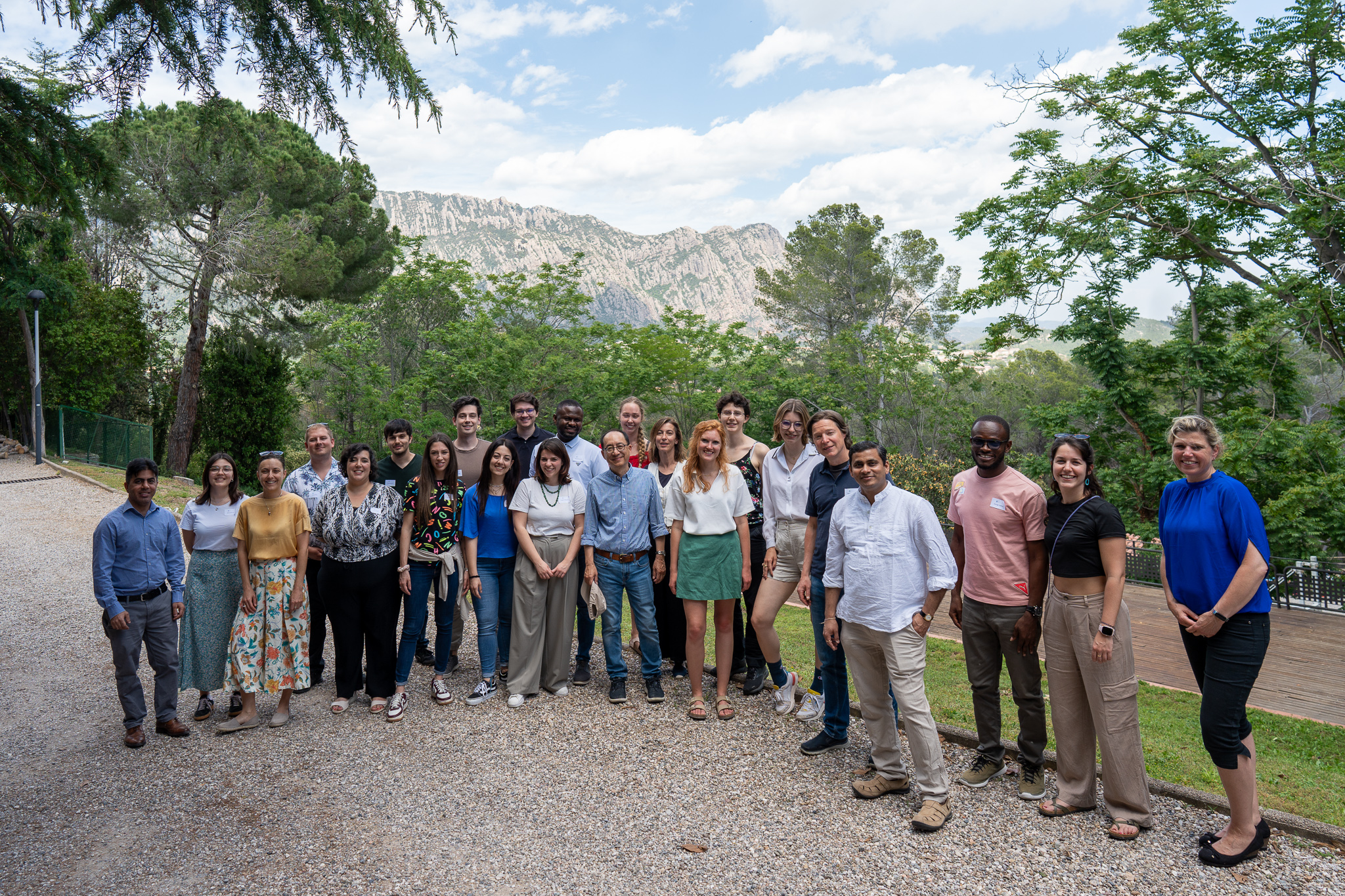
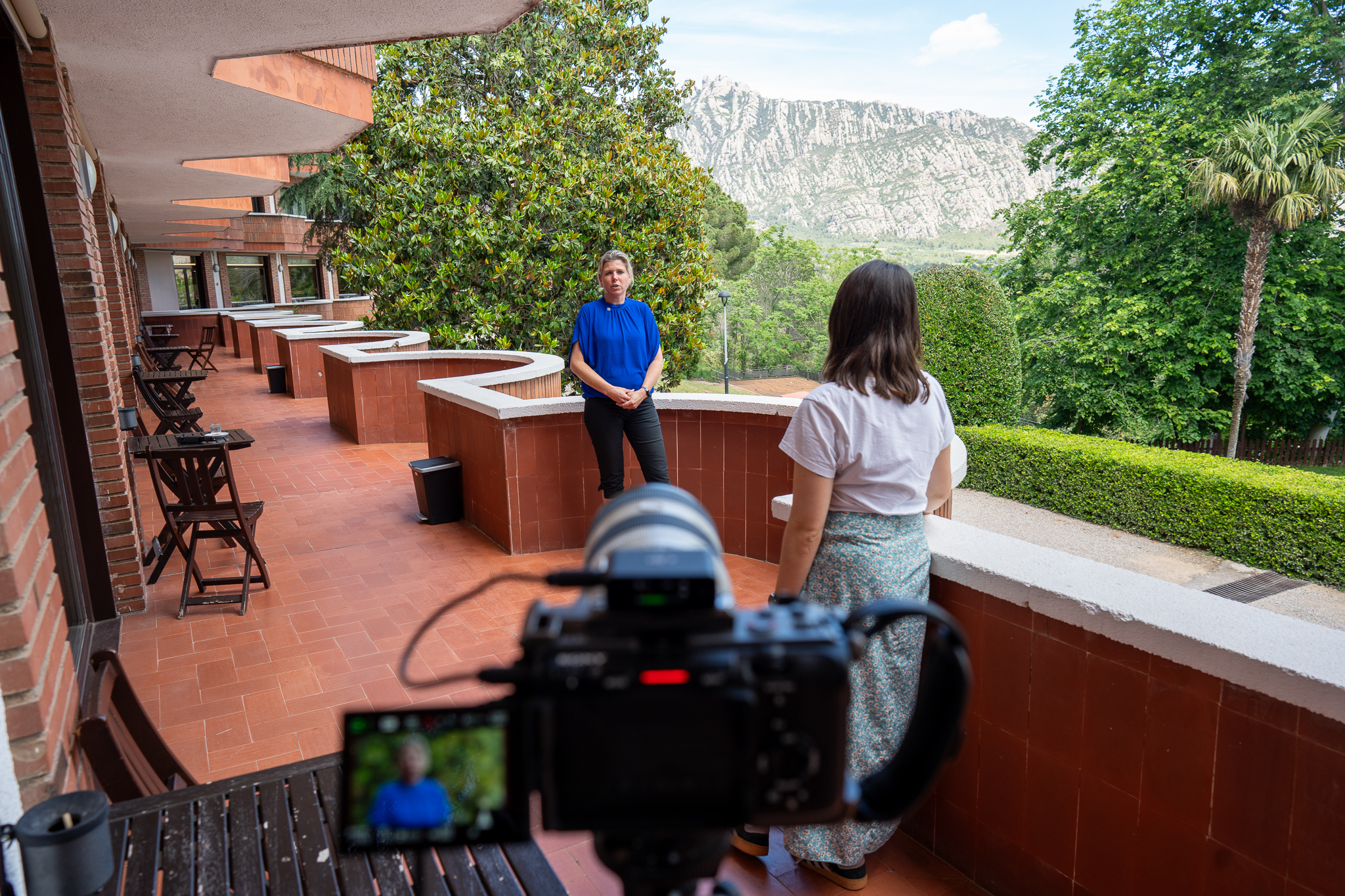
The first Hackathon, held in Montserrat, near Barcelona in 2024, brought together 15 researchers from across the REMEDi4ALL consortium to tackle drug repurposing challenges related to rare neurodevelopmental disorders. Working in multidisciplinary teams, participants explored potential repurposing opportunities while learning about patient engagement, regulatory requirements, funding pathways and other aspects of medicines development that are often unfamiliar to early–career researchers.
“Initially, when we designed the REMEDi4ALL Hackathon, we were thinking about exposing early-career researchers to this immersive experience where they could live first-hand, all the different components and trajectory of drug repurposing projects and could incorporate different perspectives.”
— Eva Molero, CEO, Teamit
“It was particularly important for the hackathon to go beyond science and look into other areas that are important for getting a drug to market, like patient engagement and regulatory requirements. These are elements that participants are not necessarily exposed to during their PhDs.”
— Sofia Sintoris, Scientific Communications Officer, Teamit
One of the clearest lessons from the first edition was the value of bringing together different backgrounds and perspectives. Discussions with patient representatives encouraged participants to look beyond scientific feasibility alone and consider what outcomes matter most to those living with rare and ultra-rare diseases.
Expanding the experience
Following positive feedback from participants and organisers, the Hackathon returned in 2025 with a broader reach, welcoming researchers from ten different countries. The programme continued to combine scientific discovery with practical elements including health technology assessment, market access and patient-centred development planning.
By this stage, the Hackathon had evolved from a training exercise, creating opportunities for networking, collaboration and knowledge exchange between researchers, patients and experts from across the drug repurposing ecosystem. Many participants highlighted these interactions as one of the most valuable aspects of the experience.
“I learned that some of the symptoms that we were really concerned about on the scientific side might not be the most important ones on the patient side.”
— Thales do Valle Moreira, 2025 Hackathon participant
“The friends I have made here and the work we have done in multidisciplinary teams is something that is fulfilling and encouraging for the future.”
— Sarah Berger, 2025 Hackathon participant
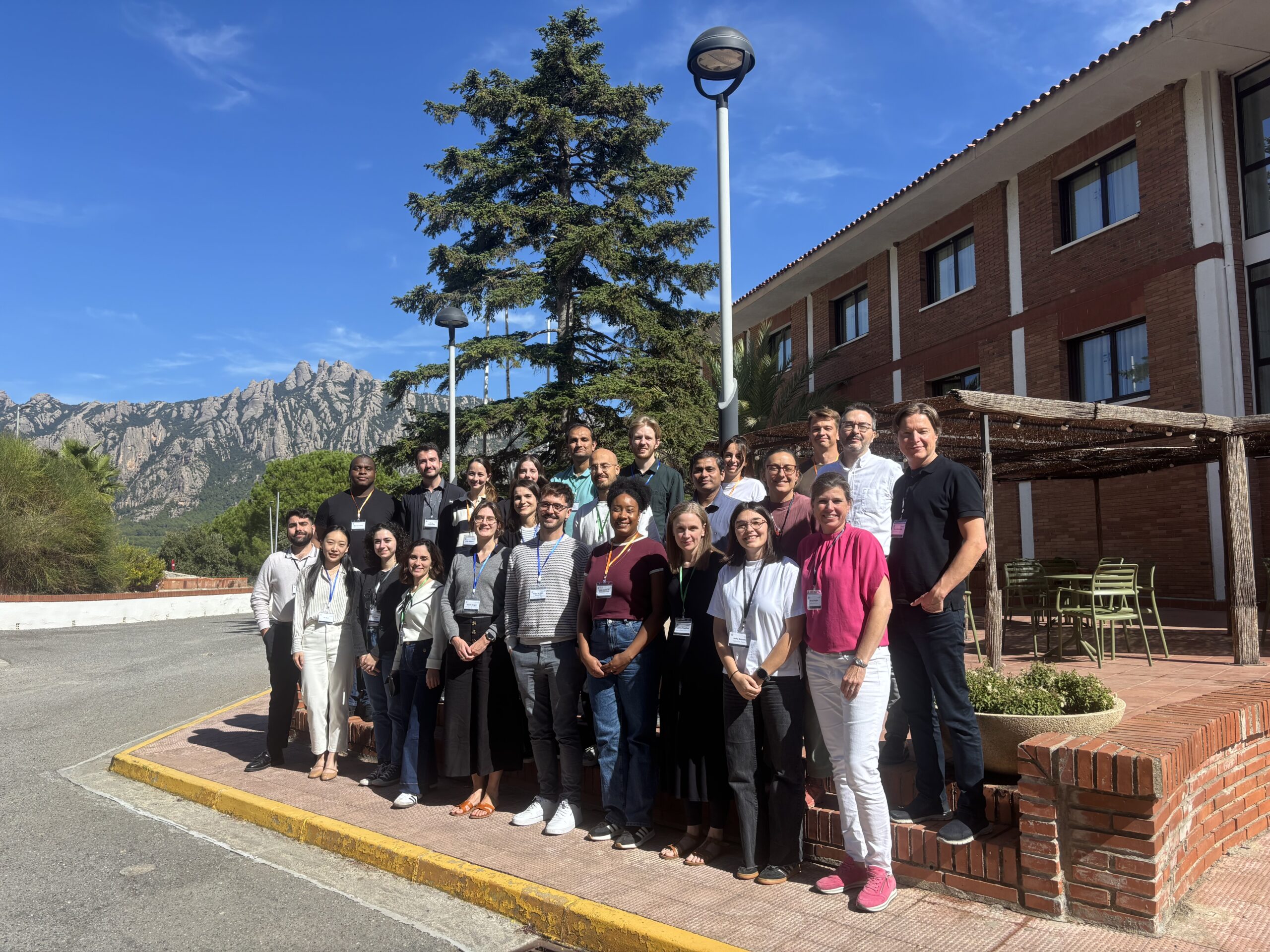
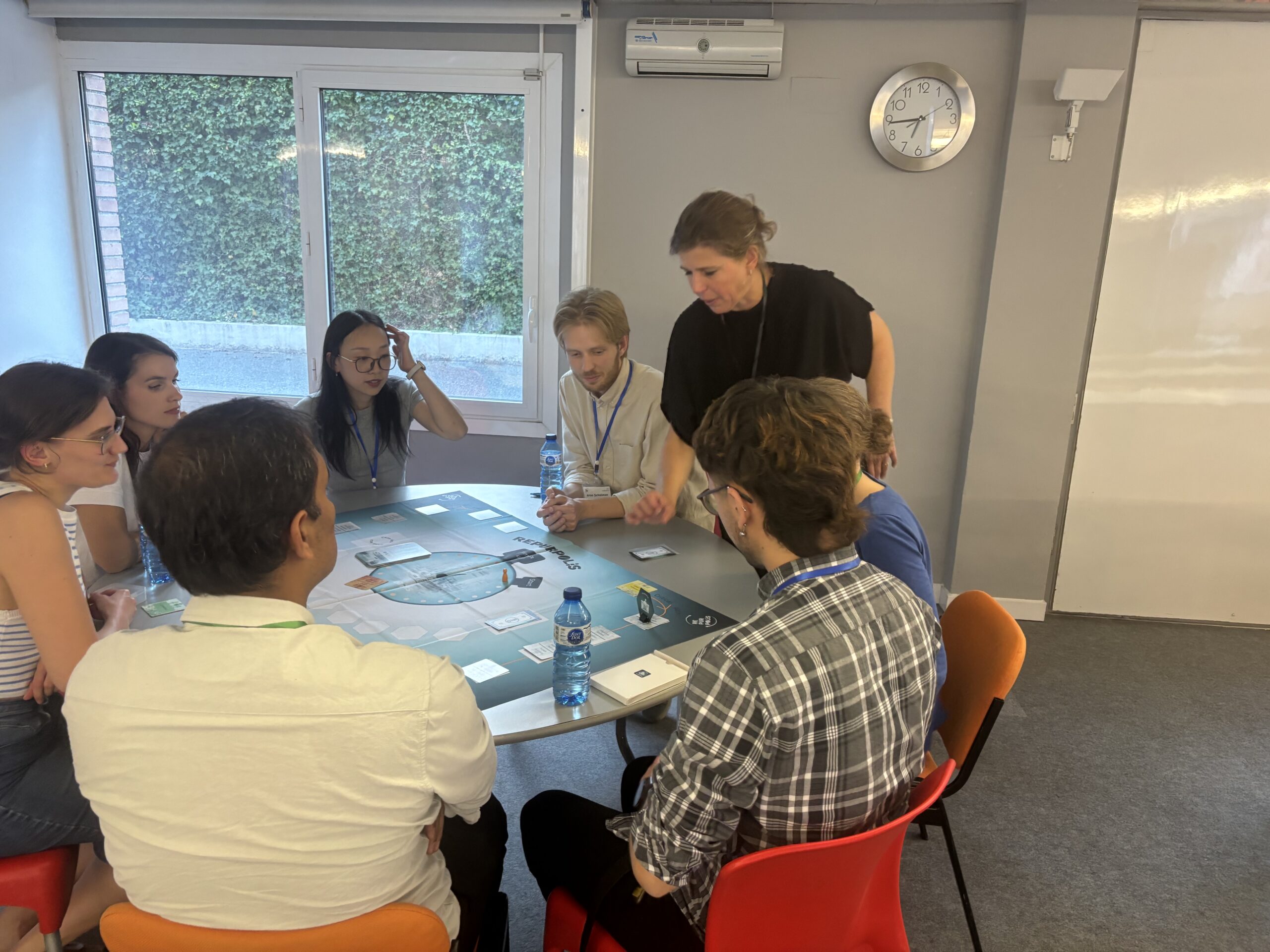
The third edition, held in September 2026, further strengthened the emphasis on multidisciplinary working and patient involvement. Participants were challenged to investigate repurposing opportunities for rare neurodevelopmental disorders while considering the full development pathway, from candidate identification through to regulatory, reimbursement and patient-related considerations.
“As a computational researcher, it was incredible to see that what we do can have a real impact in the real world. These are not just data.”
— Davide Scarpetta, 2026 Hackathon participant
Post-event evaluation showed increases in participants’ confidence and understanding across all key learning areas. Participants also consistently highlighted the value of working alongside experts, patient representatives and peers from different disciplines.
“Working with different perspectives really helps you shape your way of thinking about drugs and finding therapies. It’s much more than a mathematical equation.”
— Rawya Al-Rifai, 2026 Hackathon participant
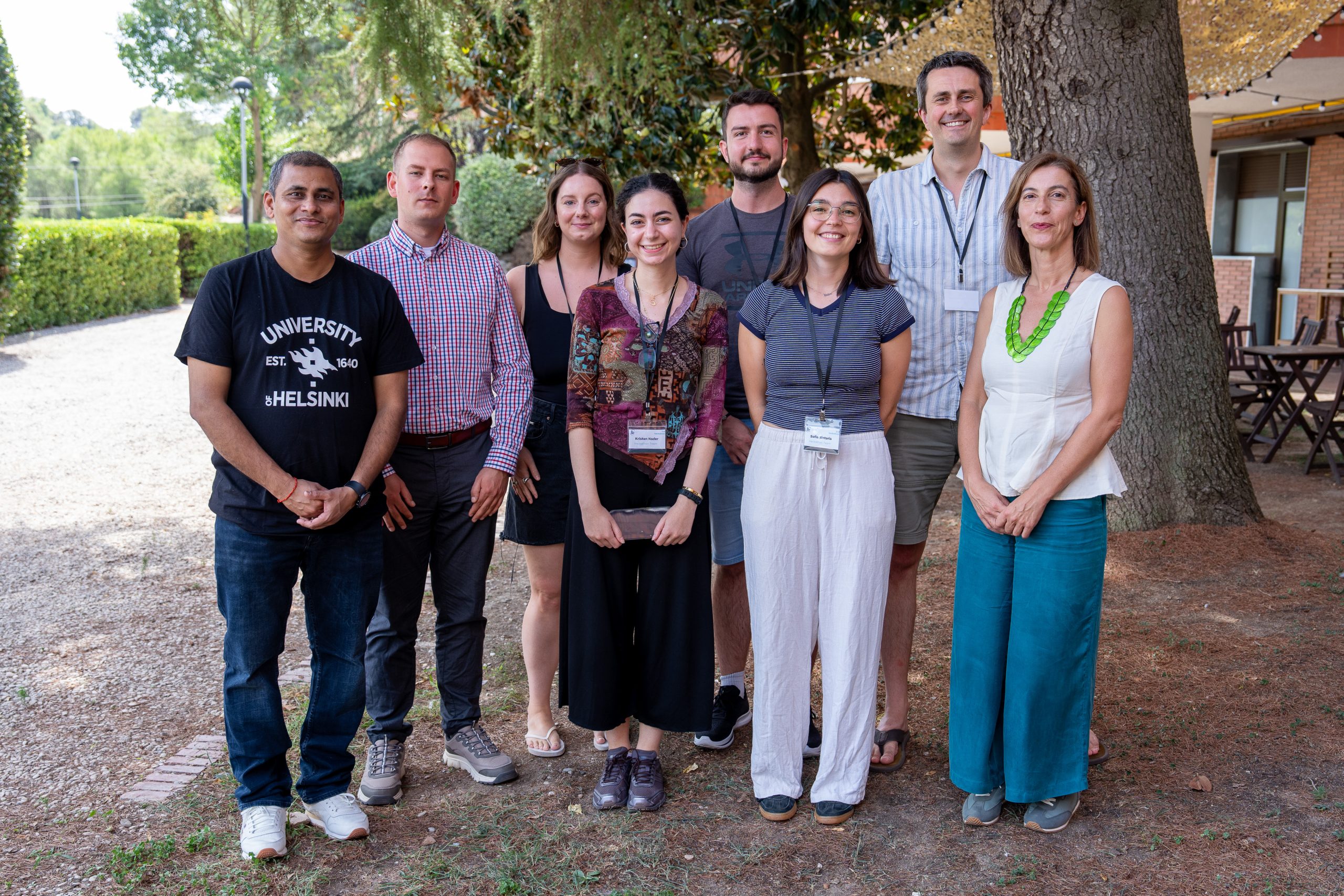
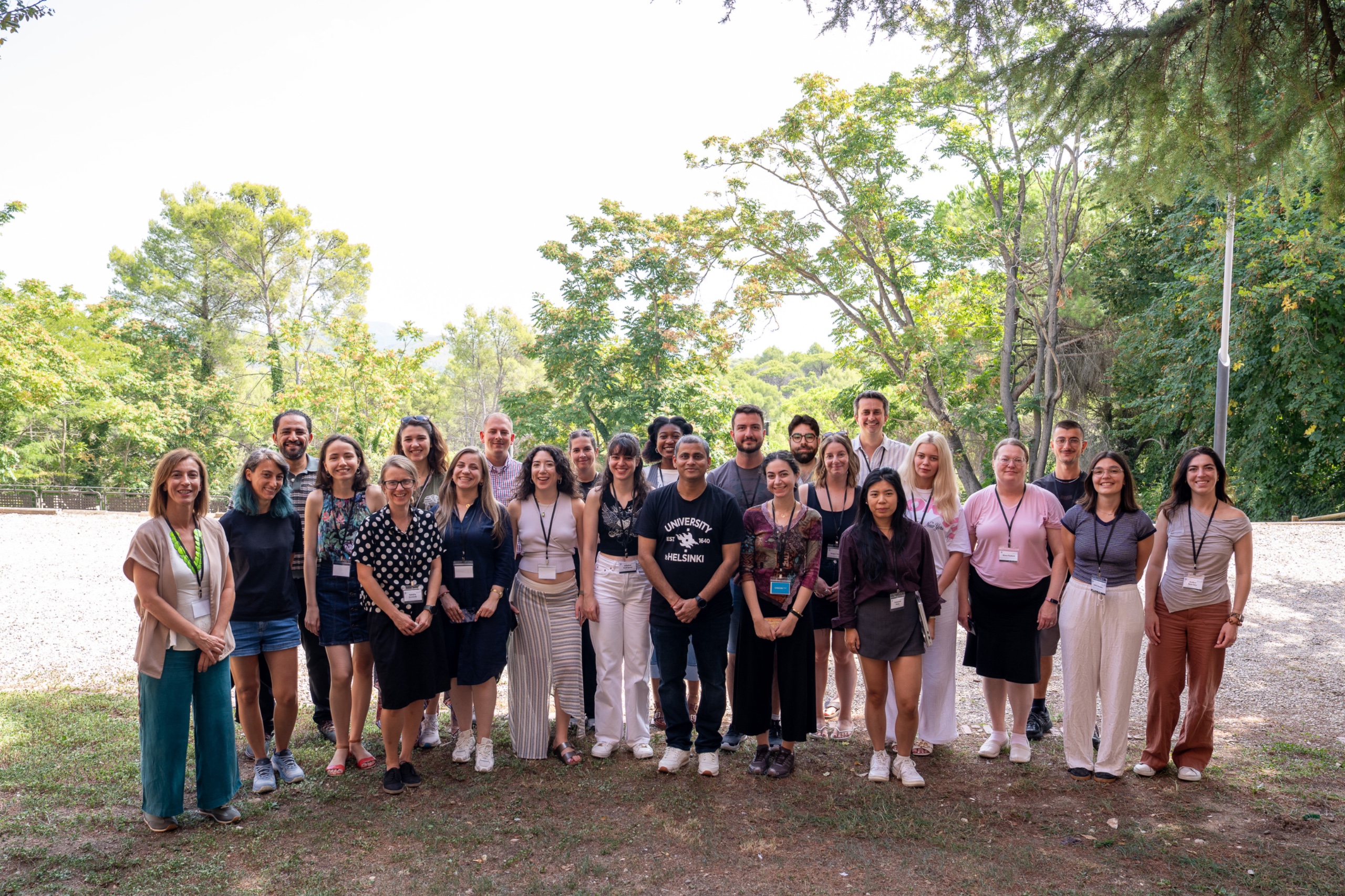
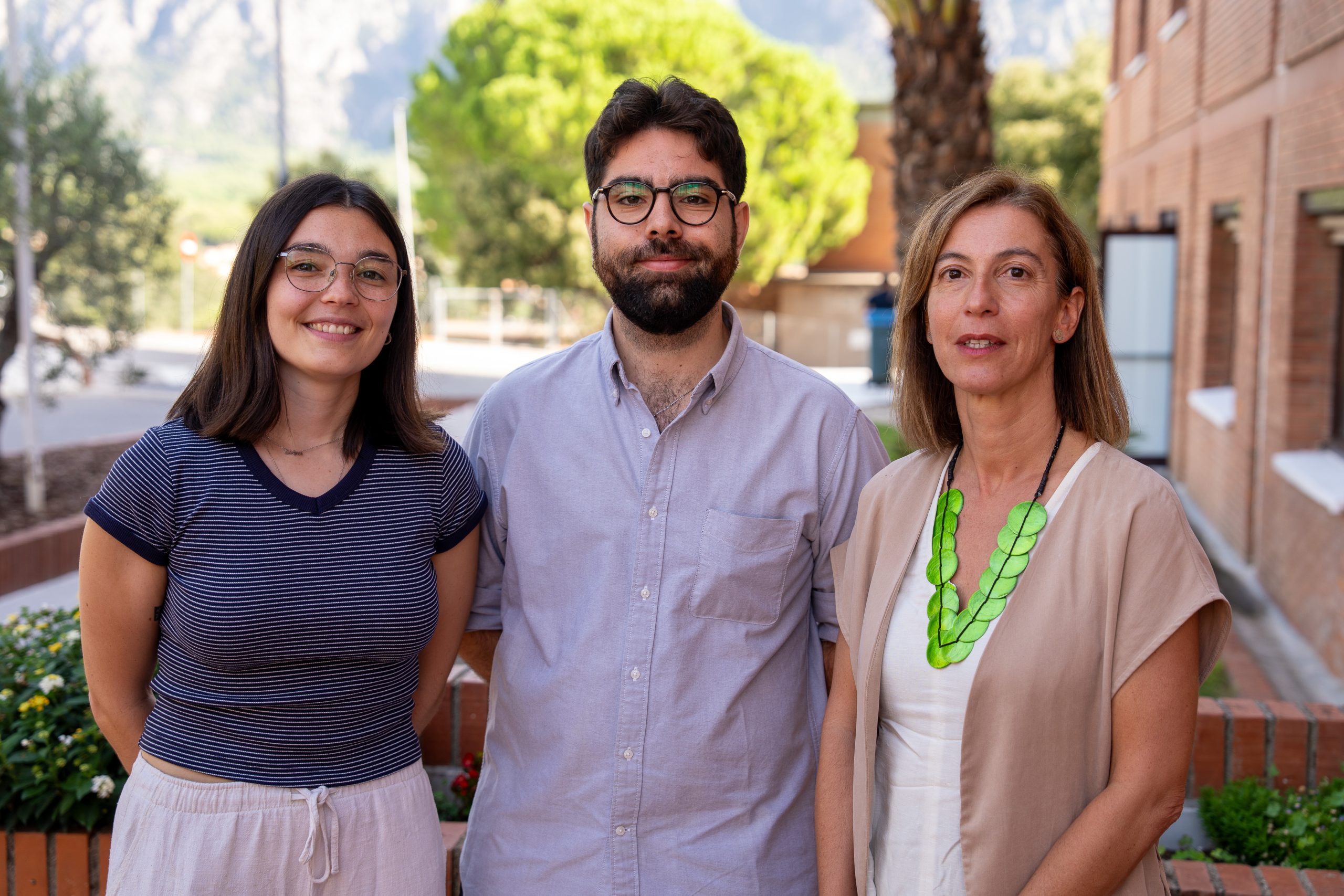
Three years on, one of the most encouraging aspects of the REMEDi4ALL Hackathon has been observing how participants’ understanding of medicines repurposing evolves over the course of a few days. Many arrive with strong scientific expertise but limited exposure to the wider development landscape. They leave with a more holistic understanding of the challenges involved in bringing treatments to patients, as well as new professional connections that extend beyond the event itself.
For Teamit, the Hackathon demonstrates the value of experiential learning as part of research training. By combining scientific problem-solving with patient perspectives, multidisciplinary teamwork and real-world development considerations, the initiative continues to contribute to building skills and capacity within the European medicines repurposing community.
Learn more about the REMEDi4ALL Hackathon, part of REMEDi4ALL’s Repurposing Academy.