As Europe moves closer to implementing the European Health Data Space (EHDS), practical guidance and stakeholder expertise are playing an increasingly important role in turning policy into reality. Through its involvement in both the TEHDAS2 Joint Action and the FORTIFY project, Teamit is helping contribute to discussions on how health data can be shared, accessed and reused in a way that supports research and innovation while maintaining trust, security and appropriate safeguards.
TEHDAS2 is developing practical guidelines and technical specifications to support the harmonised implementation of secondary use of health data under the EHDS. Throughout 2025 and 2026, the initiative published multiple draft guidelines and technical specifications for public consultation, covering topics such as data access procedures, data minimisation, secure processing environments, citizen rights and the technical infrastructure required for EHDS operations. Feedback from stakeholders across Europe has been used to refine these documents before publication of the final versions.
As part of the VAC4EU, a collaborative research network for vaccine benefit and risk monitoring across Europe, Teamit contributed expert input to several of these consultations. This effort included reviewing draft documents and providing practical feedback based on real-world experience of health data use and governance.
Below, Teamit’s Health Data unit explain the importance of these contributions.
Why is Teamit involved in initiatives such as TEHDAS2?
We work at the intersection of health research, data-driven innovation and multi-stakeholder collaboration through European projects and networks. The EHDS will fundamentally change how health data is accessed and reused across Europe, so it is important that implementation guidance reflects the realities faced by researchers, data holders, health authorities and patients.
Participating in TEHDAS2 consultations gives us an opportunity to contribute practical insights based on the projects and communities we are part of. It is also a way to ensure that future EHDS processes are workable, trustworthy and aligned with the needs of those who will use them.
What was Teamit’s role in the TEHDAS2 consultation process?
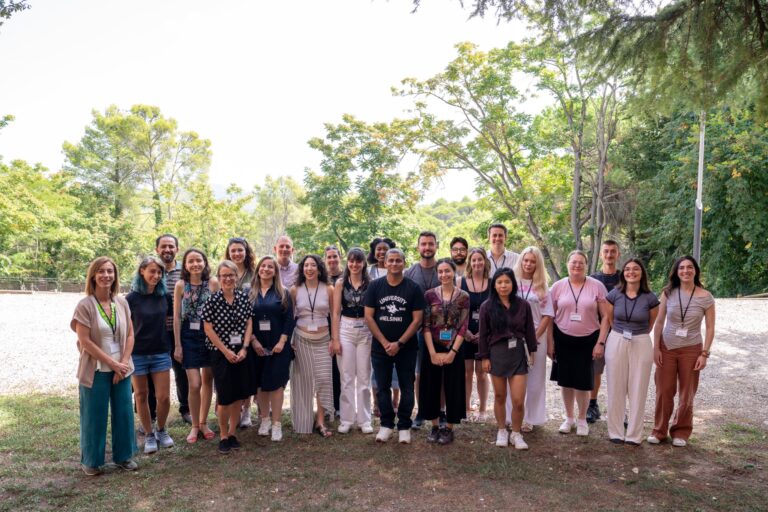
Through VAC4EU, Teamit’s Health Data Unit; Fabio Riefolo, Alba Ortega, Elena Pala, Alfonsina Milito, Anna Bonaterra and Irene Pazos alongside CEO Eva Molero contributed to the review of several draft guidelines and technical specifications released by TEHDAS2. This involved bringing together experts and VAC4EU colleagues from different organisations and disciplines including DSRU, FISABIO, ARS, RTI-HS, IDIAP Jordi Gol, UMCU, PHARMO and beyond to analyse the proposed recommendations and identify areas where additional clarification, operational guidance or practical considerations could be helpful.
We were particularly pleased to see that the finalised versions of various documents reflect feedback provided by VAC4EU contributors, demonstrating the value of collaborative stakeholder engagement in shaping EHDS implementation.
How does this connect to FORTIFY?
Our involvement in TEHDAS2 complements our work in FORTIFY, an Innovative Health Initiative project focused on enabling trusted secondary use of health data within the EHDS while protecting intellectual property, trade secrets and commercially sensitive information. FORTIFY is developing a framework that combines legal, governance and technical measures to help health data holders, users and access bodies navigate EHDS implementation.
Importantly, FORTIFY builds on the work already carried out by TEHDAS and TEHDAS2. The project will use existing guidance on data access, data linkage and health data reuse as a foundation and explore how additional safeguards can help create a trusted environment for innovation within the EHDS.
This creates a valuable link between policy development, practical implementation guidance and real-world validation. Lessons learned from TEHDAS2 help inform FORTIFY, while FORTIFY’s future outputs aim to provide further operational support for organisations working within the EHDS ecosystem.
Looking ahead
The EHDS represents one of the most significant developments in European health research and innovation in recent years. As implementation work continues, Teamit remains committed to supporting initiatives that bring together researchers, policymakers, industry, healthcare organisations and patient communities to develop practical, balanced and trusted approaches to health data reuse.